Category

Resiliency-as-a-Service

Mesa Power Solutions, a Small Business at Heart

Reading Time: 3 minutesMesa Power Solutions is much more than natural gas generators. We’re your maintenance solution, your resiliency- as- a- service partner, and your reliable power provider. And we promise to make the experience significantly more pleasant than a root canal.

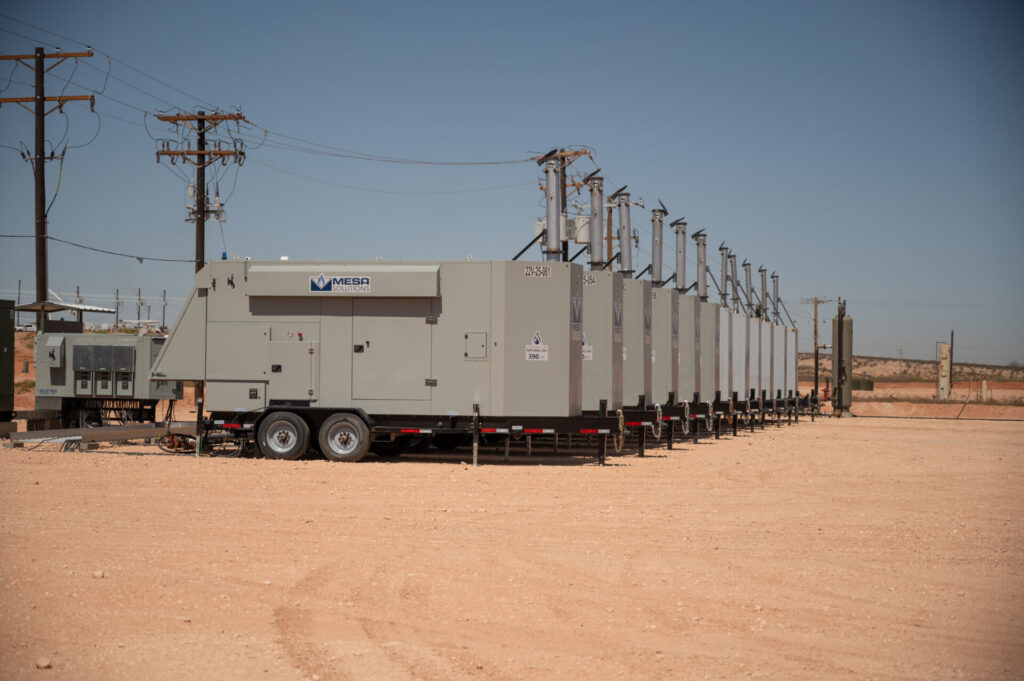
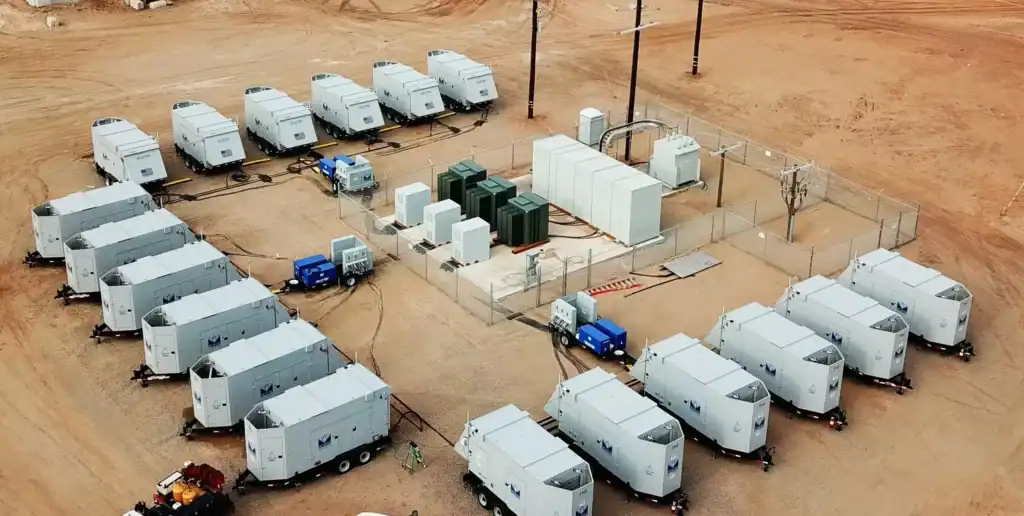
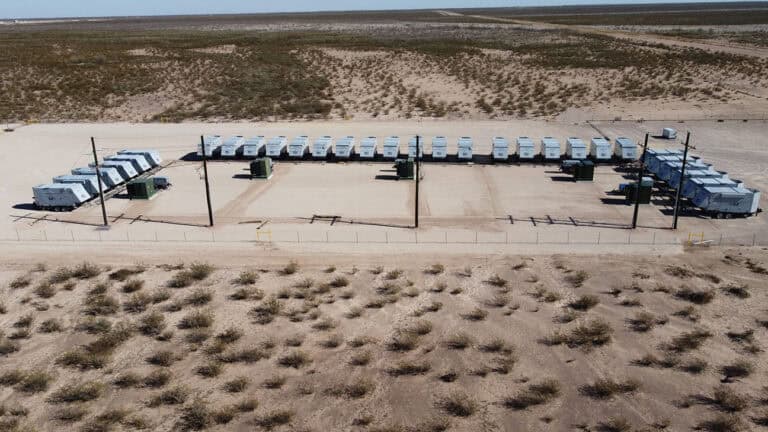
Microgrid generators on the 49 site. Lined up perfectly.

The Key to Service and Reliability

Reading Time: 3 minutes“When I needed a reliable, natural gas generator, Mesa offered the ideal solution for my remote location. It was much safer, and more convenient, than flying my kite in a lightning storm to generate power.” – Benjamin Franklin I should probably check my history books, because the source of that quote seems unreliable. The statement about Mesa generators being reliable is accurate. But the rest? Let’s just say the “key in the lighting storm” idea is a pretty cool way to generate power, but not exactly OSHA approved. And the probability of Ben Franklin getting stuck by lightning on purpose remains, at best, debatable.    Still, it raises a fair question: what kind of a world do we live in where we can’t even believe an overwhelmingly trustworthy source like the internet? Does it ever feel like the world today has become increasingly unreliable? It used to be possible to trust what you read online. Right? Mesa “Reliable” Service Solutions When it comes to providing power systems for healthcare, data centers, or even essential services like grocery stores and banks,

Resilient natural gas powered generators from Mesa Power Solutions set up as a microgrid in Texas.

Resilient Power Solutions for Critical Infrastructure: Leveraging Natural Gas Generators

Reading Time: 2 minutesThe world is rapidly changing, and maintaining a reliable power supply is paramount, especially for critical infrastructure systems such as hospitals, data centers, and emergency services. Disruptions to the electrical grid can have catastrophic consequences, making it imperative to invest in resilient power solutions. One technology that has proven its worth in ensuring uninterrupted power is natural gas generators. In this article, we will explore how natural gas generators offer a viable and efficient solution for critical infrastructure, focusing on their reliability, environmental benefits, and cost-effectiveness. Reliability When it comes to critical infrastructure, reliability is non-negotiable. Natural gas generators have established themselves as a reliable power source, offering consistent performance even during times of grid outages or extreme weather conditions. Unlike renewable energy sources that rely on weather conditions, natural gas generators provide continuous power, making them a steadfast choice for critical systems that demand an uninterrupted electricity supply. These generators are designed with advanced technology and sophisticated control systems that ensure seamless operations. They can automatically detect power failures and swiftly transition to generator power, minimizing downtime and preventing

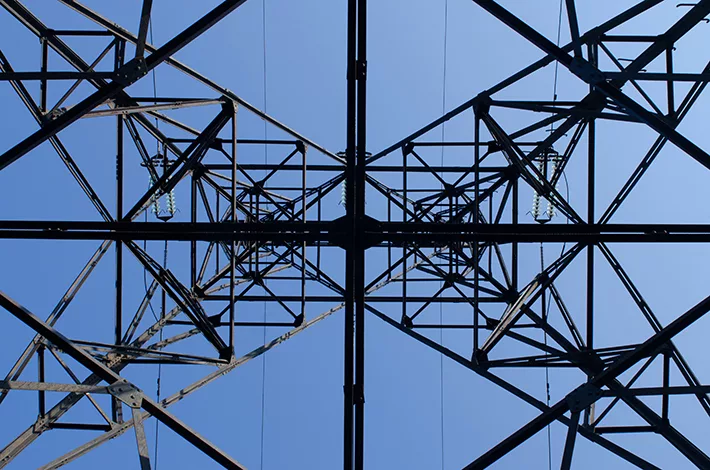
This stock image is taken from beneath a power line tower. Transmission lines are seen along with the sky above.

Deregulated Markets vs. Regulated Markets: Illuminating the Electrical Landscape

Reading Time: 4 minutesElectricity flows through the modern world, driven by a fundamental question at the heart of this intricate system: Should electricity markets be regulated or deregulated? This question shapes how we produce, distribute, and price energy, forming a central debate in the electrical landscape. In this blog post, we’ll investigate the dynamic interplay between regulated and deregulated markets, exploring their advantages, and challenges. By illuminating these key aspects, we aim to offer a comprehensive overview of this pivotal choice that underpins the electricity grid’s operation. Previously, we looked at a basic overview of how the electric grid works in this blog post.  Below, we’ll dive into the question about market regulation. Deregulated Markets: Fostering Competition and Innovation In deregulated markets, consumers gain the freedom to select their energy suppliers. This competition spurs innovation, fosters cleaner energy solutions, and offers competitive pricing to attract and retain customers. No longer confined to a one-size-fits-all model, consumers can now choose energy plans aligning with their preferences—whether those preferences involve renewable sources, fixed rates, or tailored services.  Market Competition: Deregulated markets empower consumers with the freedom

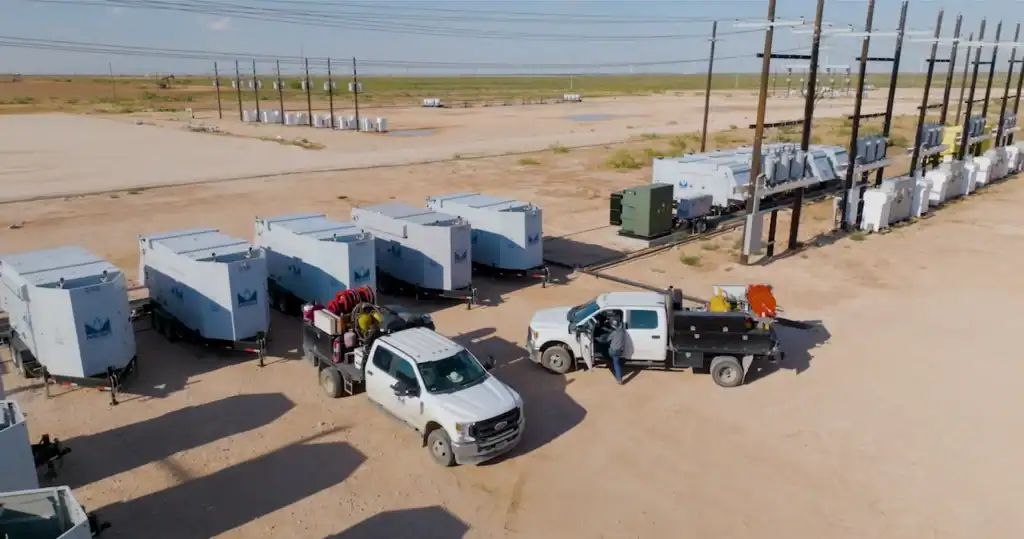
An aerial image taken with a drone of a Mesa Power Solutions natural gas generator microgrid.

Mesa Solutions’ New Investors

Reading Time: < 1 minuteOn Friday, June 30, 2023, Arroyo Investors, a Houston-based, independent investment manager, announced that it closed an investment in Mesa Solutions.  To learn more about Arroyo and read the press release, click here. 

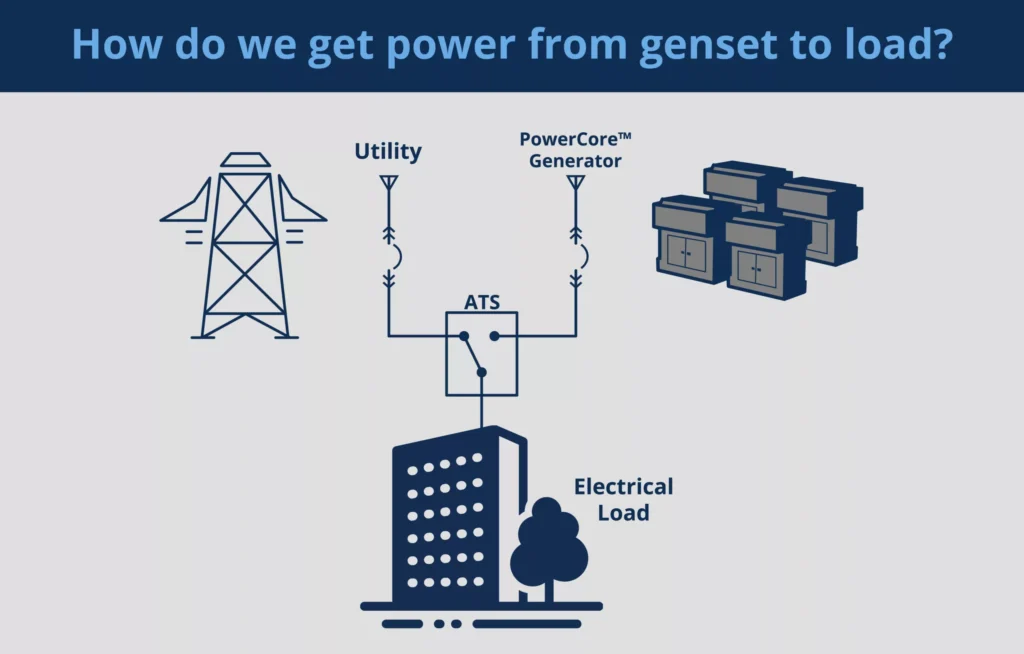
Diagram of an Automatic Transfer Switch connects to utility, backup PowerCore natural gas generators and the electrical load.

The Importance of an Automatic Transfer Switch in Backup Power Systems

Reading Time: 2 minutesAn Automatic Transfer Switch (ATS) is a critical component of a backup power system that ensures and automatic transfer of power supply from the primary power source to a backup generator during a power outage. It plays a vital role in maintaining power supply in various industries, including healthcare, data centers, and manufacturing. This article will explore what an ATS is, how it works, and its advantages. What is an Automatic Transfer Switch? An ATS is an electrical device that switches the power supply source from the utility grid to a backup generator in the event of a power outage. It is designed to detect power outages and immediately transfer the power supply to the backup generator, which can be powered by natural gas, propane, or diesel. An ATS also monitors the power supply from the backup generator to ensure that it is stable and reliable. How does an Automatic Transfer Switch work? An ATS works by constantly monitoring the voltage and frequency of the incoming power supply from the utility grid. When a power outage occurs, the ATS automatically

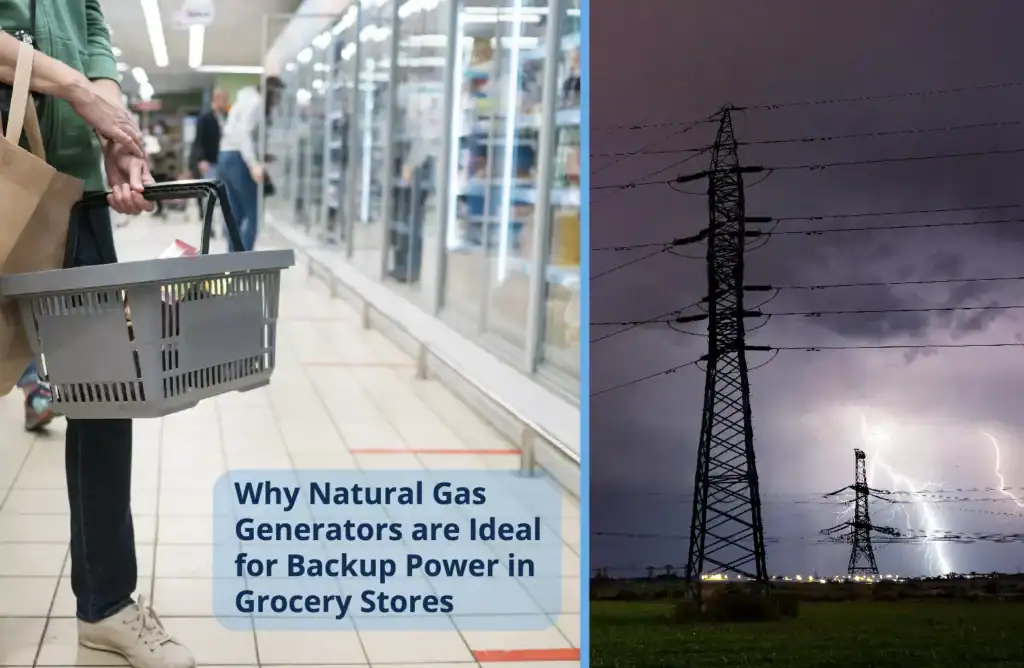
Grocery store freezer aisle on the left side and a storm on the right side shows the need for emergency back up power for grocery stores.

Natural Gas Generators: Ideal for Backup Power in Grocery Stores

Reading Time: 3 minutesIn today’s world, the ability to keep a grocery store running during power outages is more important than ever. Natural disasters, such as hurricanes, tornadoes, and wildfires, can cause long-term power outages that can put your store’s inventory and reputation at risk. In addition, unexpected power outages can occur due to equipment failures, accidents, and other factors, leaving you with no time to prepare. Without a backup power plan in place, your grocery store could face several risks that could have serious consequences for your business. These risks include: Loss of Inventory: One of the biggest risks of power outages is the loss of inventory. Without power, your refrigeration units will stop working, causing your perishable goods to spoil. This can result in significant financial losses for your business. Damage to Equipment: Power surges and outages can also damage your equipment, including your refrigeration units, lighting, and point-of-sale systems. This can lead to costly repairs and replacements. Loss of Revenue: If your grocery store is forced to close due to a power outage, you will lose revenue. In addition, customers


Mesa Power Solutions blog uses a video named Microgrids Made Easy- 3 things you should know about micro grids that a 4th grader can understand.

Microgrids Made Easy: Three Things You Should Know About Microgrids That Even Your 4th Grader Can Understand

Reading Time: 3 minutesThe concept of microgrids has been around for a while. However, it’s only recently gained popularity as more and more communities look for ways to generate their own electricity and reduce their dependence on the utility grid. But what exactly is a microgrid, and how does it work? Below, we will break down the basics of microgrids into three key points that even a 4th grader can understand. What is a microgrid? First, a microgrid is a small-scale power system that can operate by itself or with the main power grid. A microgrid can generate its own electricity. It can do this using sources like generators or renewable sources like solar panels or wind turbines. It can also draw power from the main utility grid. However, the key difference is that a microgrid can also store energy in batteries or other energy storage systems, allowing it to operate even when the utility grid is down. It’s good to have a variety of power sources in a microgrid so that when one or more of them are unavailable, you will still