

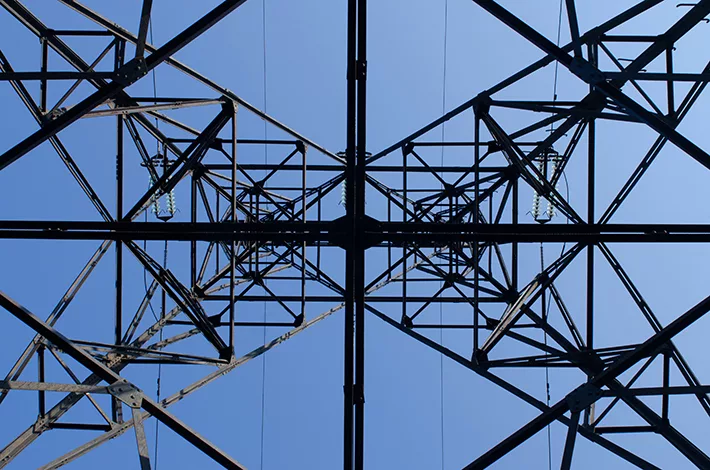
Deregulated Markets vs. Regulated Markets: Illuminating the Electrical Landscape
Reading Time: 4 minutesElectricity flows through the modern world, driven by a fundamental question at the heart of this intricate system: Should electricity markets be regulated or deregulated? This question shapes how we produce, distribute, and price energy, forming a central debate in the electrical landscape. In this blog post, we’ll investigate the dynamic interplay between regulated and deregulated markets, exploring their advantages, and challenges. By illuminating these key aspects, we aim to offer a comprehensive overview of this pivotal choice that underpins the electricity grid’s operation. Previously, we looked at a basic overview of how the electric grid works in this blog post. Below, we’ll dive into the question about market regulation. Deregulated Markets: Fostering Competition and Innovation In deregulated markets, consumers gain the freedom to select their energy suppliers. This competition spurs innovation, fosters cleaner energy solutions, and offers competitive pricing to attract and retain customers. No longer confined to a one-size-fits-all model, consumers can now choose energy plans aligning with their preferences—whether those preferences involve renewable sources, fixed rates, or tailored services. Market Competition: Deregulated markets empower consumers with the freedom