Mesa Solutions provides many opportunities for career advancement. One of those opportunities is tailored specifically to our generator technicians. Becoming a Master Technician at Mesa is a challenging journey. Mesa offers all the necessary study materials, troubleshooting guides, coaching, and mentoring to help technicians succeed in their careers.
Entry-level Generator Technician Training
As an entry-level Generator Technician, Mesa puts your career in your hands. Technicians undergo an initial Generator Technician training program in Casper to equip them with the knowledge and skills to be successful in their careers. This training is followed by the Generator Technician Program, a step-based career development program designed to improve proficiency and advance careers.
Once technicians have completed their initial training, they return to their assigned basin and enter the Generator Technician Program. This is a step-based career development program designed to improve their proficiency and advance their careers. The first step is to pass the Technician Assessment, which includes a written exam and a hands-on demonstration of the components of the Mesa generators, as well as some basic service tasks.
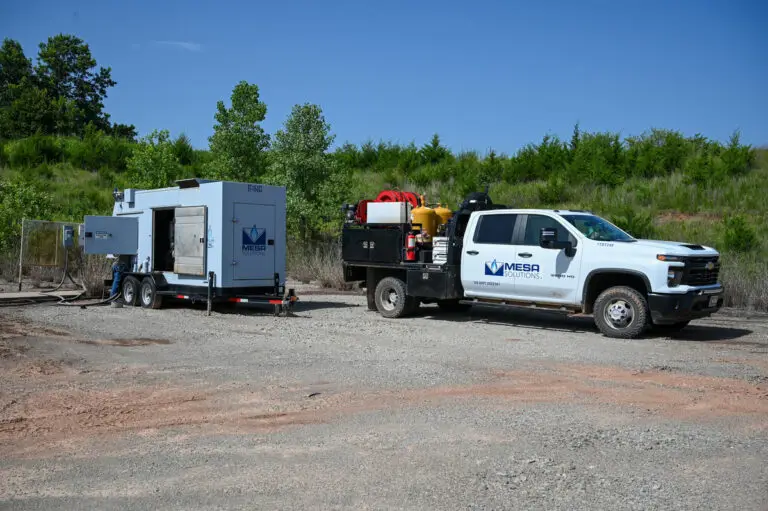
Upon completion of this Technician Assessment, technicians will take the Field Evaluation to evaluate their proficiency in service tasks and basic troubleshooting operations. Field Offices use this exam as a requirement to enter solo operations in their own Mesa Service Truck.
Field Evaluation and Senior Technician Training
Once the technician demonstrates proficiency, they will be entered into the queue for the Senior Technician Examination. This is a written and practical assessment of the technician’s technical knowledge and ability.
After passing the Senior Technician Examination, the technician becomes a Senior Technician. They will be responsible for training and mentoring other technicians to help them become proficient and successful in their careers.
Master Technician Apprentices and The Role of a Master Technician
Master Technicians are selected from the pool of Senior Technicians to become a Master Technician Apprentice. These select few undergo a year-long training program consisting of 12 quizzes, culminating in a comprehensive final exam. Once the technician passes the exam, they are now a Master Technician.
The primary function of a Master Technician is to teach, train, and mentor other technicians. Master Technicians work directly with the Field Office Leads and Basin Chiefs to ensure overall mission success and customer satisfaction. They focus on improving the quality of the generators and technicians in the basins they serve, increasing customer runtime, and decreasing unit downtime.
Master Technicians also field test maintenance processes and procedures, track new components within Mesa platforms, inspect components, and contribute to the design discussions for new or redesigned equipment. They continuously learn all new platforms and help develop maintenance processes and procedures. This is for our current rental fleet and our PowerCore generators as well.
Could this be a fit for you?
In conclusion, becoming a Master Technician at Mesa Solutions is a difficult journey, but it is a fulfilling career. Mesa provides all the necessary study materials, troubleshooting guides, coaching, and mentoring to help technicians succeed in their careers. Entry-level technicians can work their way up to becoming Senior Technicians, and the best of the best can eventually become Master Technicians. Master Technicians play a vital role in training, teaching, and mentoring the next generation of Mesa technicians.
If this sounds like something you enjoy, visit our careers page on Indeed to see if there is a position right for you.