Have you ever heard of the Queens Gambit? It famously became a show on Netflix but before that it was widely only known among the chess community. The Queens Gambit is a move that sacrifices a pawn on the queen’s side of the table to allow a unique opening that forces the other player to either overplay defense or overplay offense allowing for an easy opportunity to get in proper position for a swift victory. Here at Mesa we aren’t trying to score victory over another team, but the way we have to think 5, 10, even 20 steps ahead is oddly reminiscent of the classic, strategy driven game.
The Pawn
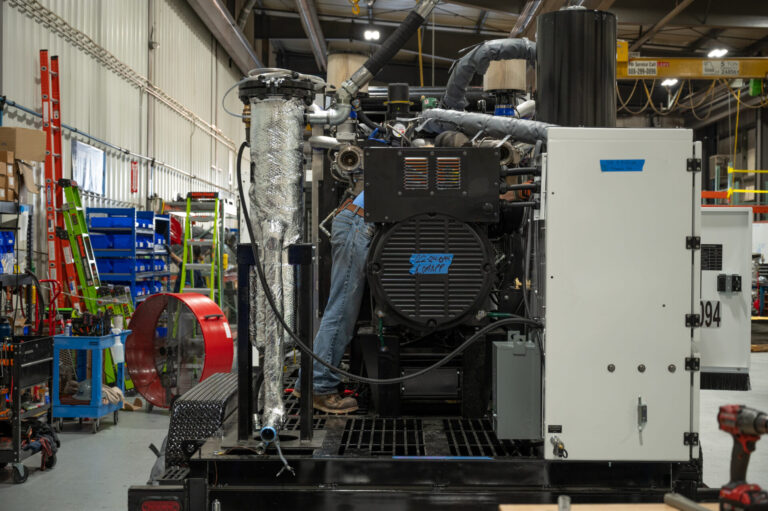
The Pawn at the beginning of the game may seem like a critical piece that you don’t want to lose, but what it sacrifices in its piece, it opens up a wealth of opportunity for the queen. At Mesa, our pawn is our investment monetarily, in maintenance, and more. Much like the Pawn we are sacrificing the workload and ultimate investment in our engines, parts, and remote monitoring system to ensure that when it’s time for the queen (our generator in this analogy) is ready for strategic deployment wherever power is needed in the country.
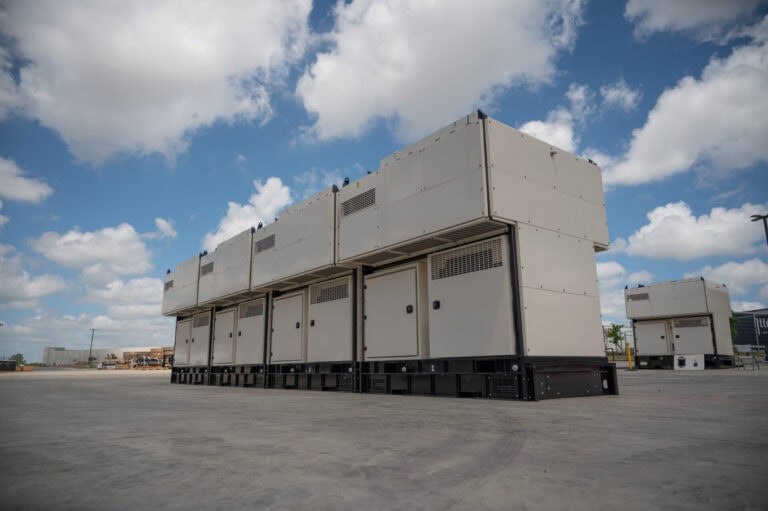
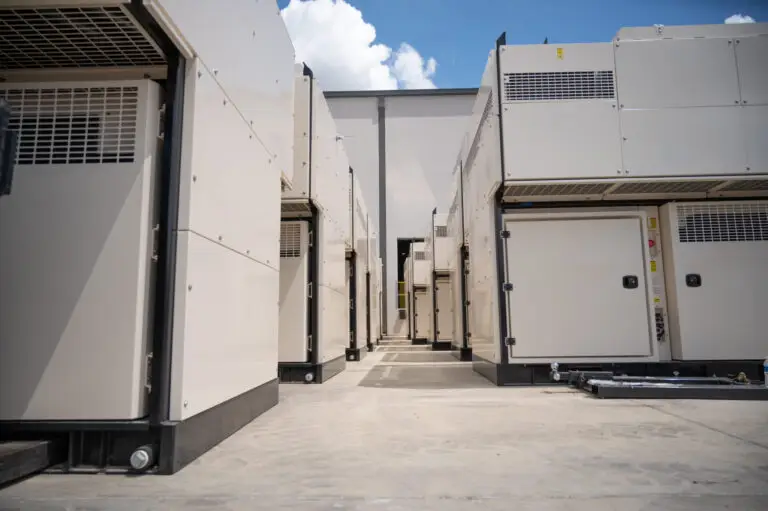
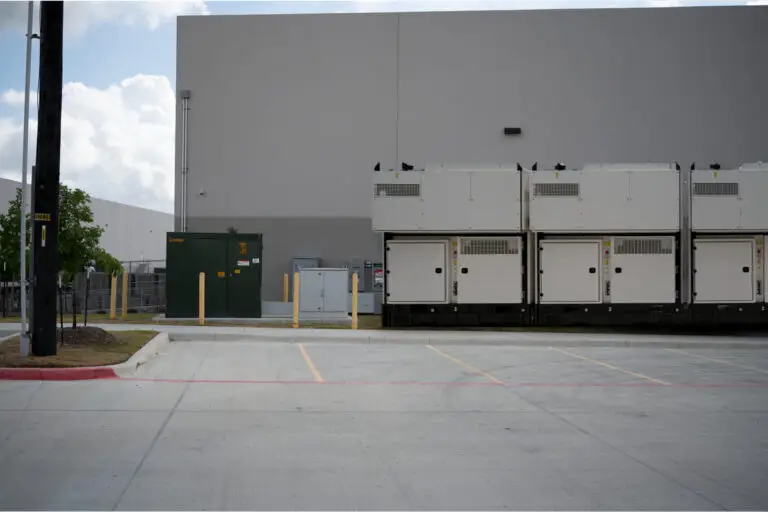
What our sacrifices allow is our generators to be placed in an oil basin, a utilities center, or a large load building while providing higher uptime and fewer failures during the generators’ use. In Chess, controlling the center of the board allows for full control of the game, and in Generators it means controlling the load. At Mesa we offer remote monitoring and a quick emergency response time when generators go down; this is how we help control the load when power events occur.
Piece Development
Beyond the Queen, there are several other pieces that help maintain control of the board. Our pieces of Mesa are the technician teams and the territories that they cover. They are constantly moving around the board, or territory, to ensure that everything is going according to plan. If a weather event occurs, a power spike, or even a minor part needs replacement; they are there to help service and repair the generators as soon as they go down. This is where Mesa thrives because at its core, the queen or generators in this instance is nothing without a team that is ready to back it up if things go wrong.
The Queen
In chess, the queen is the most powerful piece on the board because it combines strength, flexibility, and foresight to utilize its ultimate power. Our queen (generators) are the ultimate chess piece. Our natural gas generators come with reliable engines for power generation, exceptionally built alternators to handle large loads, and maximum support to ensure that regardless of the scenario, your power will be there when you need it. Much like the Queen, we are able to move it wherever it is needed to control the power load regardless of how harsh the environment is.
Several Pieces Ahead
Here at Mesa, we consider ourselves an established and trusted player in the power generation industry. While we may not be the largest competitor on the board, our focus has never been on making the quickest sale. Some companies are focused on moving gensets as fast as possible, but here at Mesa, we take a much more strategic approach. Like a skilled chess player developing pieces before launching an attack, we continuously invest in our engines and our people. By ensuring these elements work together seamlessly, we build a stronger position to deliver reliability, responsive service, and long-term value.