
There is no doubt the interconnected society we all know and love has its advantages. After all, how else would we get to binge watch our favorite reality shows and argue with others on social media about our favorite contestants? On the surface, you probably don’t think too much about what goes into getting the electricity to your home to power your phone, tablet, gaming devices, or computers. Obviously, there is the grid, and we see power lines on a daily basis, but how does that system actually work to get electricity to where it needs to be?
Enter PJM
Let’s go through a little history to get to where we are today. Long before the United States could be traversed quickly by cars, our ancestors lived quaint lives with slower connections to the outside world. This meant grid systems for electricity (if you were lucky enough to be a part of the 61% of homes that had electricity) were created on a more city or county sized scale. Typically, grids would be built in a city center or densely populated area and would generate enough power to provide those within a couple mile radius of the power plant or substation; and they would be handled by a private corporation. This was all well and good until the demand for power became a reality on a national level.
Pennsylvania-New Jersey-Maryland Interconnection (PJM for short) originally started in 1927 when three separate energy companies, one in New Jersey and two in Pennsylvania, came together to form a connected power pool. The goal was to reduce costs for customers while allowing power to be redirected as needed. In 1956, two Maryland companies joined to create a wider net for power to flow through. By 1968, PJM had created one of the worlds first, wide scale, energy management systems allowing it to effectively cut areas off from electricity or push more power as needed. Today PJM covers parts or, the entirety of 13 states from Illinois to Maryland.
Modern Day
PJM began running on a bid-based energy market system in 1998 to help drive more affordable utilities for customers big and small. This market is unique in that instead of companies bidding for the following year, they do it three years in advance. This system was a reliable way to keep utility costs down, that was until large load users started popping up across PJM territory.
You may be wondering, “How much can electricity prices really go up?” If you’re a homeowner, maybe your bill creeps up $20 or $50 and you grumble about it while adjusting the thermostat. For large commercial facilities, however, even small changes in market pricing can have a significant impact. In 2025, capacity prices sat at a historic low of $28.92 per megawatt-day. The following year, that figure jumped to $269.92, an increase of more than 800%. Suddenly, those utility bills become less of an annoyance and more of a boardroom discussion.
Peak Load Contribution Management
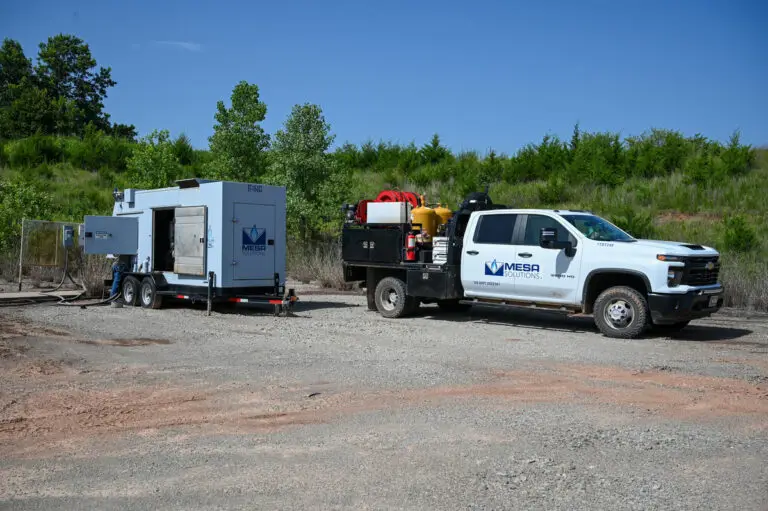
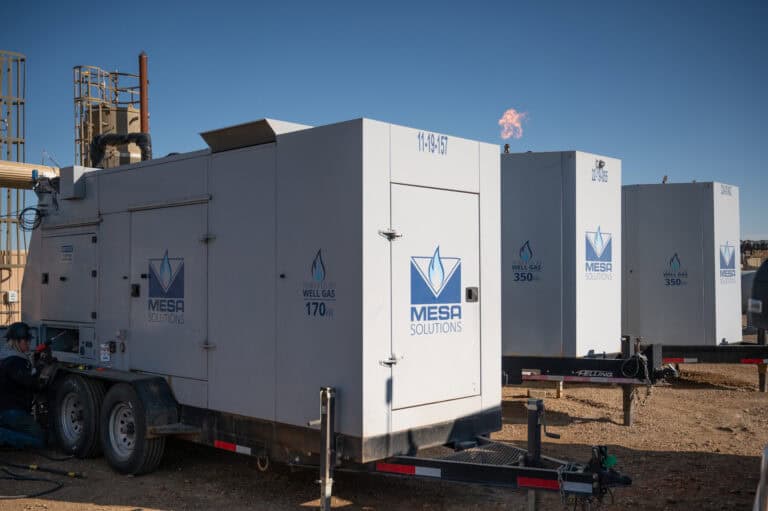
If you are a company that sits in the 13-state region, you probably already know all of this, but the real question is what can you do about it? While you can’t exactly call PJM customer service and ask them to lower the price, you do have options, and many of them start with Mesa’s natural gas generators.
Peak Load Contribution (PLC) is based on individual electric consumption during PJM’s highest five-hours of demand during the months of June to September. That window of time isn’t known to the consumer utilizing those electricity resources until the bill comes due. Utilizing approved backup generation, such as Mesa’s certified natural gas generators, can lead to lower capacity costs across the board and if you happen to be running it at the right hours, it can help you reduce costs the following year. Reducing grid demand during peak hours not only saves money in the short term but allows users to potentially reduce load cost from PJM.
By utilizing natural gas generators during anticipated peak periods, facilities can reduce their demand on the grid when it matters most. If the timing lines up correctly, that reduction can help lower future capacity costs and reduce exposure to PJM charges. In other words, a generator can do more than sit quietly in the corner waiting for a power outage. It can actually become an active tool for managing long-term energy expenses.
Demand Response Revenue
If you’re operating in PJM territory, rising energy costs can feel like something completely outside of your control. Fortunately, there are strategies available to help businesses reduce costs while improving energy resilience. One of the most effective approaches combines participation in Demand Response programs with the ability to generate power on-site during periods of high electricity cost. Together, these strategies can turn a natural gas generator from a rarely used emergency asset into a valuable financial tool.
Mesa’s natural gas generators can help reduce dependence on the grid when it matters most. During Demand Response events, businesses are compensated for reducing electricity consumption during periods of grid stress, allowing them to maintain normal operations while potentially creating a new revenue stream. In addition, when wholesale energy prices spike due to extreme weather, transmission constraints, or supply shortages, on-site generation can help avoid purchasing expensive power from the grid. Instead of absorbing unpredictable energy costs, facilities can leverage backup generation to control expenses, improve budget certainty, and potentially earn revenue at the same time. The result is a more resilient operation that is better positioned to manage the challenges of PJM’s evolving energy market.
Mesa Can Help
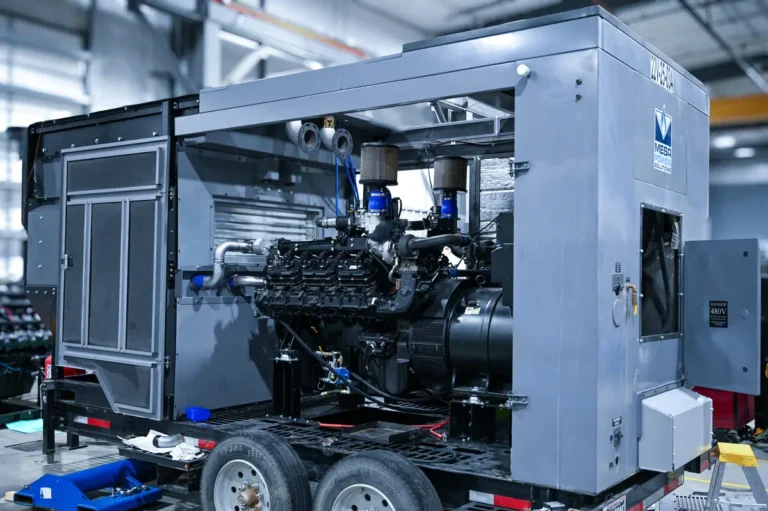
In PJM territory there are unfortunate price fluctuations and a hand made natural gas generator from Mesa isn’t just an emergency backup plan, it’s an asset. It can help reduce charges, create opportunities for additional revenue, and improve overall resilience for your business. If there is less demand on the grid, prices go down, not only for your business but also your home. And when prices go down for your home, it just means you have to spend less to get back to arguing with strangers on the internet.