
Understanding ERCOT
At the heart of Texas’ energy landscape lies ERCOT. Established as an Independent System Operator, ERCOT serves as the conductor of Texas’ electricity, orchestrating the flow of power without owning any generation or transmission assets. This unique model allows for greater flexibility in managing the grid.
In the vast expanse of Texas, electricity is not just a commodity; it is a vital necessity powering the lives of over 26 million residents and businesses. Yet, unlike many states where energy is monopolized, Texas has embraced an approach to its energy market through deregulation and the Electric Reliability Council of Texas (ERCOT). This makes them unique; they are like an island; cut off from the rest of the US power grid.
Deregulated Energy in Texas
The journey towards deregulated energy in Texas began with the passage of Senate Bill 7 in 2002. This landmark legislation ushered a new era of competition and consumer choice. Under this system, consumers have the liberty to select their Retail Electric Provider, empowering them to seek the best rates and services tailored to their needs.
Structure and Oversight
Governance within ERCOT is multi-faceted, with a board of directors steering its operations. The board of directors of the Electric Reliability Council of Texas plays a crucial role in selecting the Chief Executive Officer, establishing overall objectives, and providing guidance for the organization. The board is responsible for overseeing key functions such as ensuring open access to the transmission grid under fair terms, maintaining system reliability and adequacy, and overseeing both retail and wholesale electric markets.
Comprising 12 members, the board consists of eight directors appointed by the State of Texas’ ERCOT Board Selection Committee. These directors, as mandated by law, must not have fiduciary duty or assets in the electricity market for the ERCOT Region. Additionally, there are four ex officio members: the ERCOT CEO (without voting rights), the Public Counsel of the Office of Public Utility Counsel, the Chair of the Public Utility Commission of Texas (without voting rights), and a PUCT Commissioner chosen by the PUCT Chair (without voting rights). All board members are required to be residents of Texas. The Public Utility Commission of Texas also regulates ERCOT, ensuring that the principles of safety, reliability, and affordability are upheld. This dual oversight framework safeguards the interests of both consumers and industry stakeholders.
ERCOT's Key Responsibilities
- Maintaining System Reliability: ERCOT’s foremost duty is to maintain the delicate balance between electricity generation and demand, especially during peak periods. Through strategic planning and the implementation of new technologies, ERCOT works to avert blackouts and emergencies, ensuring uninterrupted power supply for Texans.
- Facilitating Competitive Markets: ERCOT’s mandate extends beyond mere reliability; it also fosters competitive wholesale and retail markets. By providing a level playing field for power generators, retailers, and consumers, ERCOT cultivates an environment for competition and efficiency gains.
Participants in the ERCOT Market
Within ERCOT’s expansive ecosystem, participants span a diverse array of entities, including consumers, cooperatives, independent generators, power marketers, retail electric providers, investor-owned electric utilities, municipally owned electric utilities, and transmission and distribution providers. Mesa Solutions actively plays in the ERCOT market by providing distributed generation solutions and participating in demand response programs.
Here’s how Mesa Solutions engages in the ERCOT market:
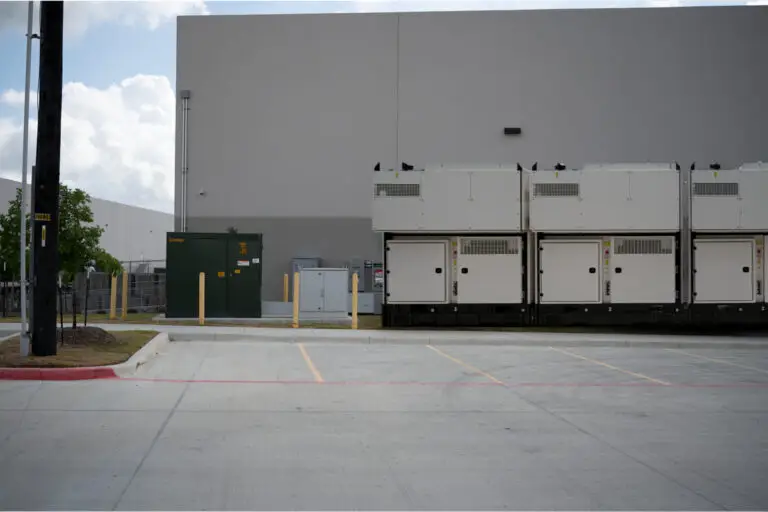
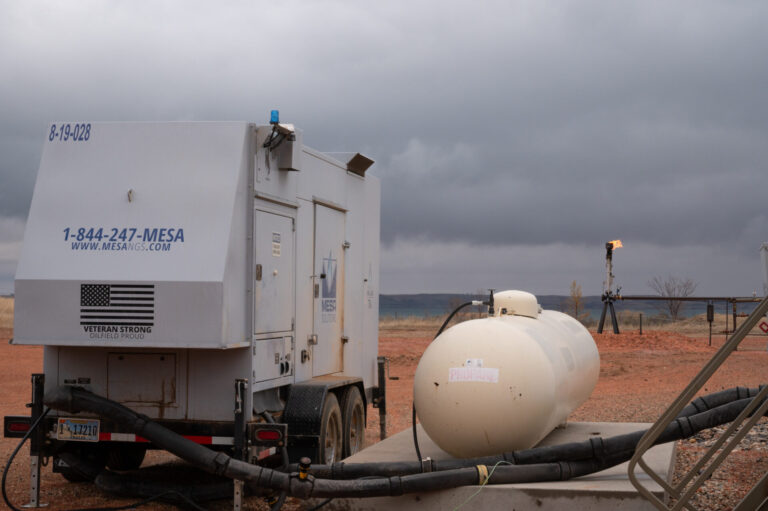
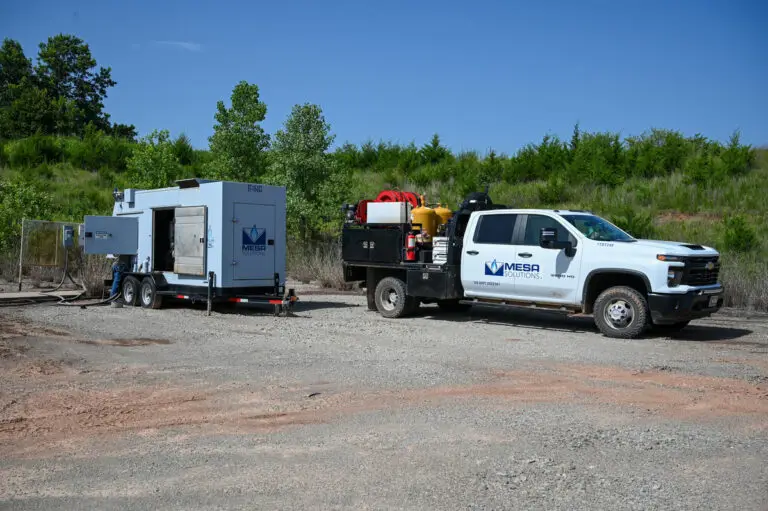
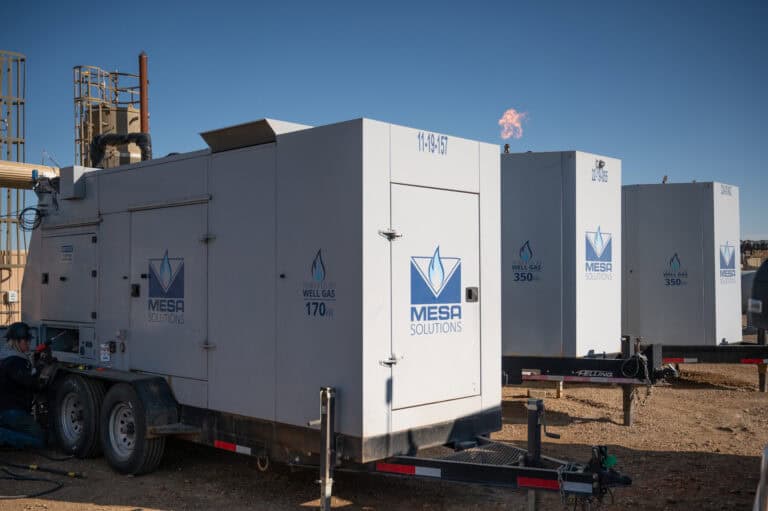
- Distributed Generation: Mesa Solutions offers natural gas-powered generators and energy solutions that contribute to distributed generation within the ERCOT grid. Distributed generation involves generating electricity at or near the point of consumption, which helps to relieve strain on the grid, particularly during peak demand periods.
- Demand Response Programs: Mesa Solutions participates in demand response programs implemented by utilities and grid operators within the ERCOT market. Mesa Solutions contributes to grid stabilization within the ERCOT market by actively participating in demand response programs. In the event of peak electricity demand, Mesa Solutions employs a strategy that involves temporarily reducing electricity consumption or utilizing onsite power generation as part of their backup or standby power systems for their customers. This approach aids in balancing the supply and demand dynamics on the grid.
When electricity demand reaches its peak, which often occurs during periods of high usage or unexpected system stress, Mesa takes measures to alleviate the strain on the grid. By lowering customer electricity consumption or relying on utility power, Mesa Solutions effectively reduces the overall demand for electricity from the grid during these critical moments. This proactive response helps to prevent grid overloads and potential blackouts. By mitigating the risk of grid instability, Mesa Solutions plays a crucial role in supporting the reliability and resilience of the ERCOT grid. This approach aligns with the goals of demand response programs, contributing to a more sustainable and stable electricity supply within the ERCOT market. - Collaboration with Retail Electric Providers and Utilities: Mesa Solutions works closely with retail electric providers and other stakeholders within the ERCOT market to integrate its distributed generation and demand response solutions for customers. This collaboration allows REPs and QSEs to offer innovative energy services to their customers, such as backup power solutions, energy resilience programs, and cost-effective demand management strategies.
- Distributed Generation: Mesa Solutions offers natural gas-powered generators and energy solutions that contribute to distributed generation within the ERCOT grid. Distributed generation involves generating electricity at or near the point of consumption, which helps to relieve strain on the grid, particularly during peak demand periods.
Conclusion
In the dynamic landscape of Texas energy, Mesa Solutions provides responsible and reliable power. Through the commitment to reliable power and the deployment of energy solutions, Mesa is here for both our customers and the rest of the market. Mesa offers customized energy solutions in the Texas market, providing several sizes of generators to ensure continuous power supply. Mesa assists clients in backup power, remote operations, and cost-saving measures. Overall, Mesa delivers reliable, efficient, and sustainable energy solutions to meet diverse customer needs in Texas.
*For more in-depth information on ERCOT and deregulated energy in Texas, you can explore resources such as ERCOT’s official website (www.ercot.com) and publications from the Public Utility Commission of Texas (www.puc.texas.gov). For information on Mesa Solutions and its role in the ERCOT market, visit their official website at www.247mesa.com*