Category

backup power

A stock image of someone pointing at a data collection chart on an ipad.

Microgrid Controls: Communicating in Real-Time

Reading Time: 3 minutesWith the ever-evolving technological backdrop to society, people want instant feedback and access to information. We can monitor our front porch video feed from our cell phone while we are on a beach vacation, we can preheat the oven at our house before we leave the office, and we can start our cars in the bitter cold winter from the comfort and warmth of our homes. With the advancement of technology not slowing down, microgrids should have the functionality to communicate in real time. Below are three things a microgrid controller should be able to do: accept control commands, engage in site and wide area optimization, and report its own health.   Accept Control Commands Modern microgrid control systems have many features for managing the combined resources within their purview.  A good example of a feature grouping is the algorithms involved in the control of storage batteries.  Given some understanding of the future, such as tomorrow’s weather forecast or tomorrow’s power pricing, decisions must be made about when to charge and when to discharge the battery.  Many other control decisions have to be made

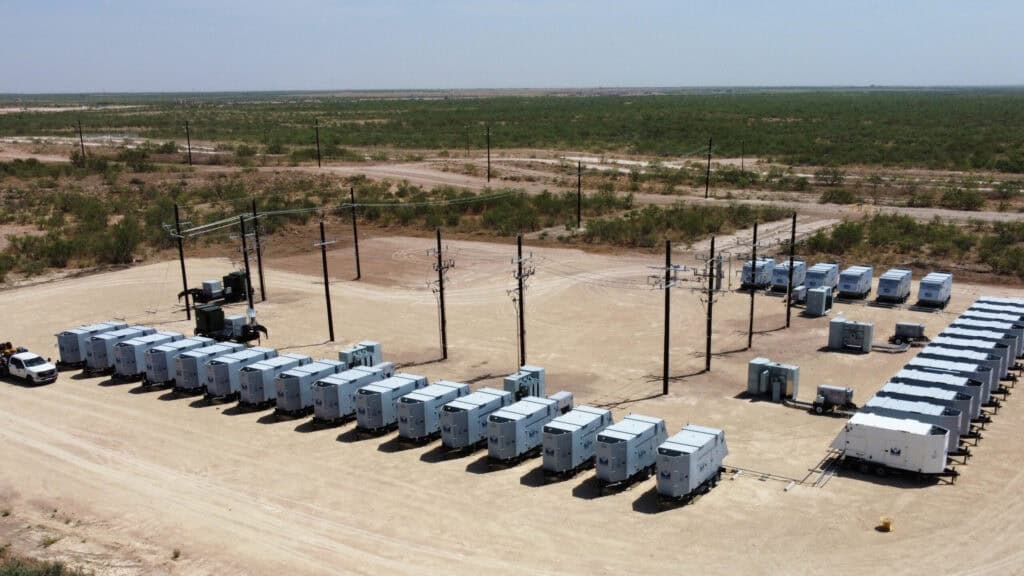
An aerial drone image of a natural gas generator microgrid to supplement the problems microgrids can solve.

Three Problems Microgrids Can Solve

Reading Time: 4 minutesUtilities face a variety of challenges in today’s business and technical environment.  While customers want lower prices, they also want greater reliability in general, and greater resilience at their specific location.  A utility leader recently characterized the customer side of the equation, saying “It used to be that customers could occasionally cope with going 48 hours without power.  Now, as soon as their cell phone battery goes dead, it’s a crisis for them.”  Large, corporate solutions to these issues are expensive and don’t always solve the problem right to the customer’s door.  On the other hand, microgrids and distributed power generation, can solve these problems and can do so comprehensively. Below are three problems that microgrids and distributed generation can solve. Problem #1: Low Power Generation from Utility Grid Historically, when a utility system became capacity “constrained,” the solution was to build bigger central station generators.  These installations were difficult to build in the past and even more so now. This is partly due to the risk of recovering such large investments in a constantly changing regulatory environment, and partly


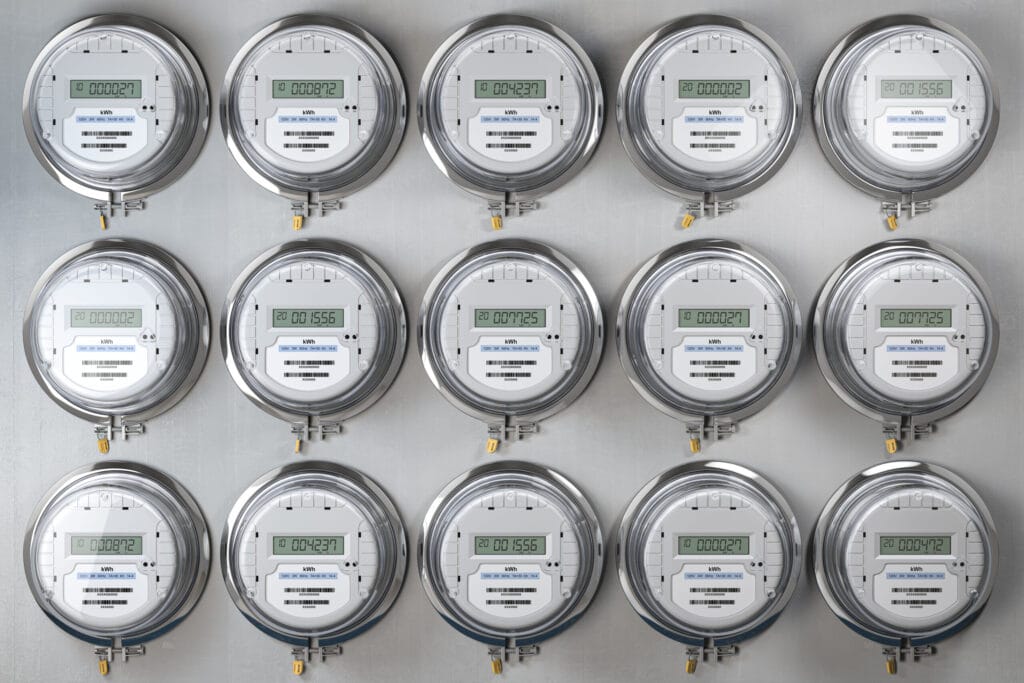
Digital electrical meters lined up in rows and columns, measuring power use.

Choosing Demand Response Programs

Reading Time: 4 minutesDemand response programs offer many utility consumers a great way to lower their electric utility bills by reducing the demand component (kilowatts) of monthly costs. There are a variety of ways to achieve this improvement, and those ways continue to evolve. The questions below show a logical path you can follow to find out which programs work best for you. 1. What is the electric load profile of the location? It is important to understand the electric load profile of the location in question. For example, is the daily load pattern a slow up and down curve throughout the day, like residential loads? Or is the load relatively flat and stable during non-working hours, but then steps up to a higher level when, for example, employees arrive? The type of demand programs that have the most impact will highly depend on these patterns. 2. What demand programs are offered by the serving utility? The next big step is to evaluate the demand programs offered by the serving utility. Many utility companies offer programs in which customers “enroll” to regularly shift

Aerial photo showing a city with a river nearby.

Implementing a Microgrid for Demand Response

Reading Time: 4 minutesWith increasing power outages and electricity rate volatility, you know you need backup power. You also know you need to offset the associated costs of your backup power and microgrid through your local utility-sponsored demand response programs. So, what’s next? Continue reading to learn the steps we walk our clients through for microgrid and demand response program implementation. Choosing the right demand response program Evaluate Site Load A site load energy audit will be one of the first steps toward implementing a microgrid for demand response. Determining load profile, peak demand, and identifying critical loads are essential first steps in installing the most efficient assets on site for a given load. Evaluating a site load requires looking at utility data over as long a relevant time span as possible. Many commercial businesses rely on a preferred demand response partner/asset manager like Mesa Solutions to help with their energy audit, analysis, and recommendations for a turnkey Resiliency-as-a-Service Program offering. Asset Management Strategy Most local utilities offer a variety of demand response programs. Not all may be the right fit for your

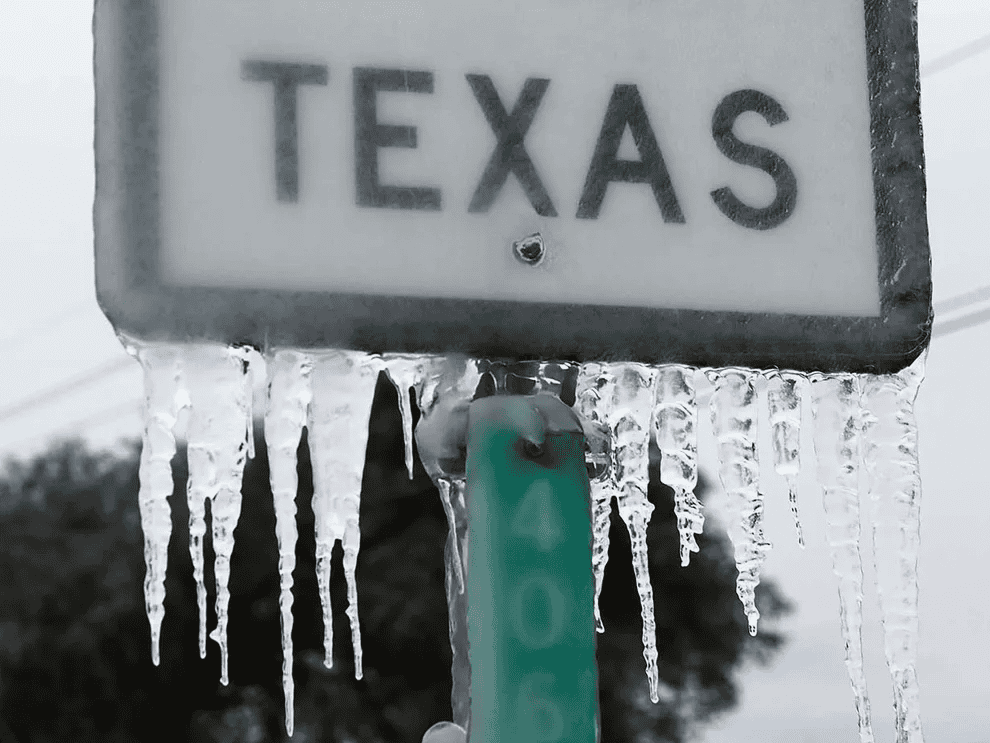
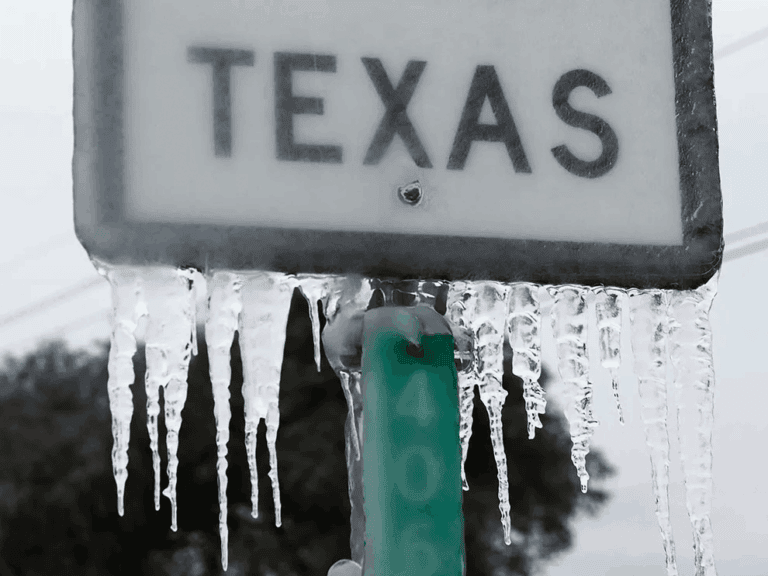
Ice on a Texas sign due to a power outage.

Lessons From the Texas Power Outages

Reading Time: 4 minutes4 million Texans experience power loss as temperatures reach record lows below zero. Texas is facing major power outages while record-low temperatures sweep across the United States. Tuesday afternoon 5NBC Dallas Fort Worth reports 4 million North Texans are experiencing power loss as temperatures reach record lows below zero. Another winter storm is forecasted to hit from northwestern and north-central Texas to northern Maine (AccuWeather). ERCOT, The Electric Reliability Council of Texas, is now requiring local utilities to institute controlled power shutoffs to relieve the grid and ensure emergency services remain in operation. What has this taught us… 1. Plan for the worst Many Texas communities never planned for long outages like the one they’re experiencing, with some communities going into day 3 without power. One thing we’ve learned is that not only do you need to be proactive in planning your standby power solution but assume your next outage will be four months, not 4 days. When planning for the worst, it is important to consider how long your backup power can last… Some backup generators are only designed

Resilient Standby Power represented with light bulbs, one hanging eco energy saving light bulb glowing.

5 Simple Steps to Resilient Standby Power

Reading Time: 4 minutesIn today’s world, resilient standby power is essential for both individuals and businesses alike. Power outages can occur due to various reasons such as natural disasters, accidents, or grid failures, and can cause significant disruptions in our daily lives. Having a reliable standby power system in place can help us mitigate the impact of such events and ensure that essential needs are met. Below, we outline five simple steps that can help you achieve resilient standby power and prepare for the unexpected. 1. Know The Difference Between “Reliability” And “Resilience” There are varying definitions for reliability and resilience that leave us confused and assuming it all means the same thing. It is important to note that while we want both to be “high,” the two are NOT synonymous. Keep them straight and simple with the following definitions. HIGH RELIABILITY means your primary source of power is almost always on and usable. HIGH RESILIENCE means your backup system is available quickly whenever you need it. In today’s dizzying array of power options, you can decide what level of reliability and resilience

Circuit breaker - 6 trailer in the snow in North Dakota.

Do Natural Gas Generators Work In The Cold?

Reading Time: 3 minutesWe get calls every day asking if natural gas generators will work in extremely cold or extremely hot temperatures. Given the wide range of differences that exist in the oil and gas plays globally, our units are tried, tested and proven in the major production fields around the world. “Do Natural Gas Generators Work in the Cold?” Why do we feel it’s important to address this question? So you can better understand how a natural gas generator can help your business function at optimal efficiency. Do Mesa natural gas generators work in your climate? Let’s find out. Location, Climate, & Range of Temperatures for Natural Gas Generators Consider your climate as it changes throughout the seasons. Obviously, we don’t know your specific conditions yet, but we hope for the opportunity to find out. On average, it’s a simple task to deliver a natural gas generator. However, setting up for an efficient work operation is another task entirely. We get calls every day asking, “will your generator work in_____________.” Our short answer is, “Yes.” Our systems work in nearly any climate.

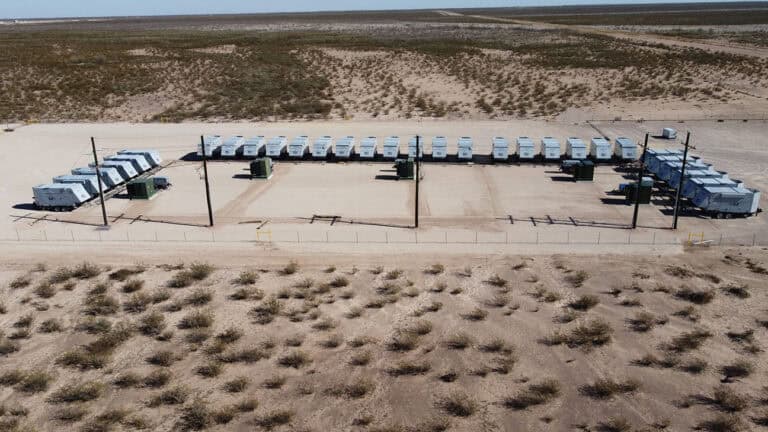
Mesa Power Solutions 350kw generators and panel trailer near a powerline.

Various Electric Utility Types With Mesa Natural Gas Solutions

Reading Time: 4 minutesMesa Solutions understands the ins and outs of all the power generation options in our industry. It is this experience that allows Mesa to work through the variables relative to power generation options and create a system that works the best to meet the needs of our customers. Serving our customers is of the utmost importance. Of the many methods of power generation, using electrical utility sources is a big player. This article’s aim is to inform you about the various electric utility types. In contrast to the relatively simple rental relationship offered by portable generator rental vendors, the customer experience with various electric utility types are often much more complex.  Such complexity is usually a function of organizational structure, funding scheme, and the fact that there are several different types of electric utilities. Relative to the various electric utility types in the United States, we have three primary types; the IOU’s (Investor Owned Utilities,) the Coops (rural electric cooperatives,) and the Muni’s (municipal owned systems.) Investor Owned Utilities Of the various electric utility types, IOUs are probably the oldest identifiable type